
Overview
Future Africa Wibonele Foundation – Science Competition, is a science competition introduced to inspire young minds at Mzumbe Secondary and High School, a magnet boys boarding School, to be creative and find problems that exists in the community and use science, technology, or entrepreneurship to innovate and solve those problems.
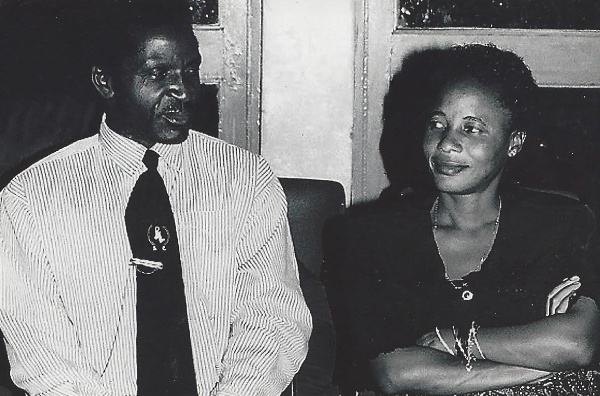
The competition honors the late Anthony and Elizabeth Wibonele who were both teachers. Anthony Wibonele the renowned and passionate physics teacher at one of the top schools in Tanzania, Mzumbe Secondary and High School, and also a college instructor, dedicated his life and efforts in teaching physics and inspired thousands of science students during his time. Many of his students went on to become successful engineers, doctors, and scientists. His wife Elizabeth Wibonele was a teacher at Mzumbe Primary School who cared deeply about her students and motivated them to succeed in their education.

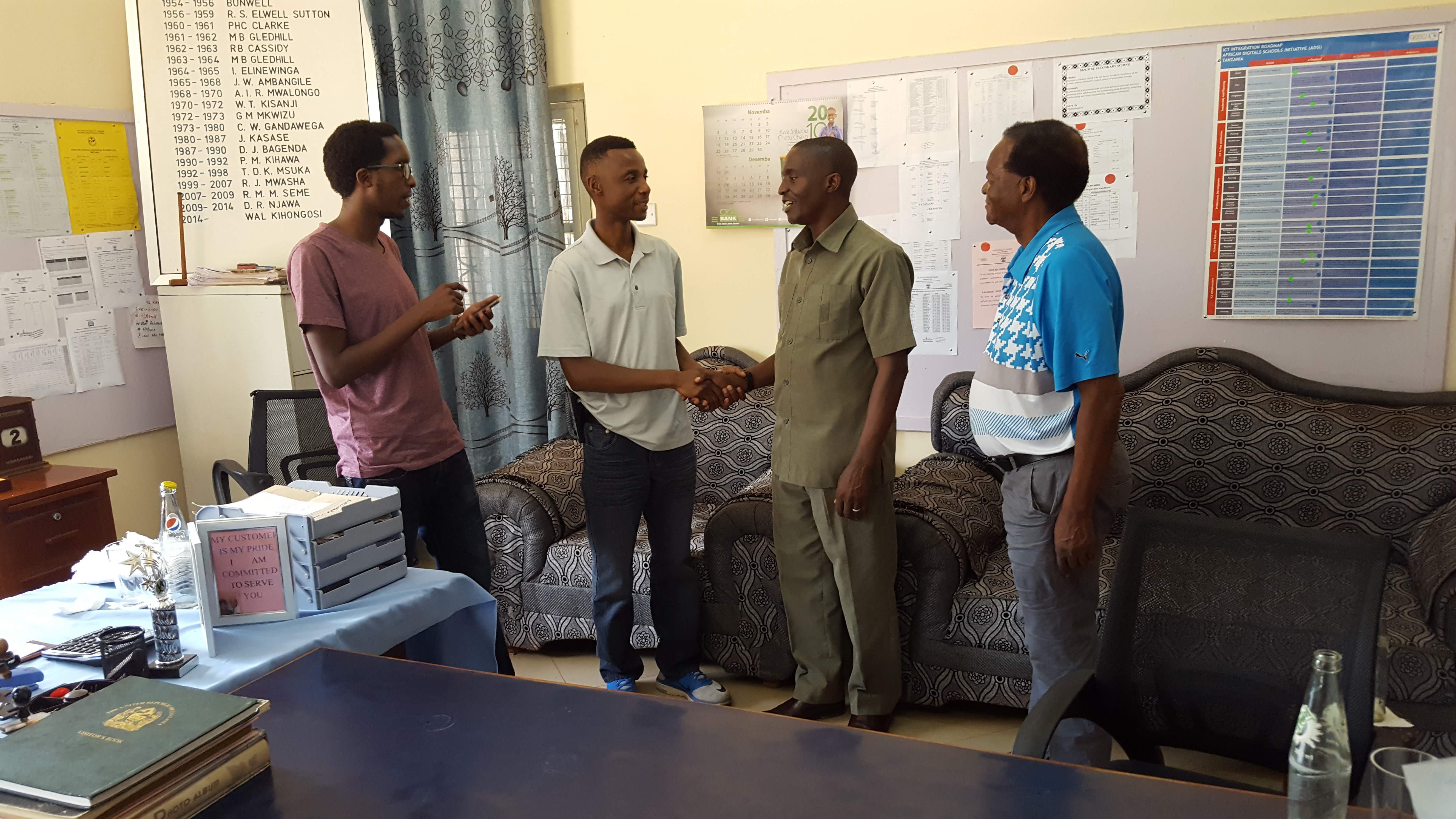
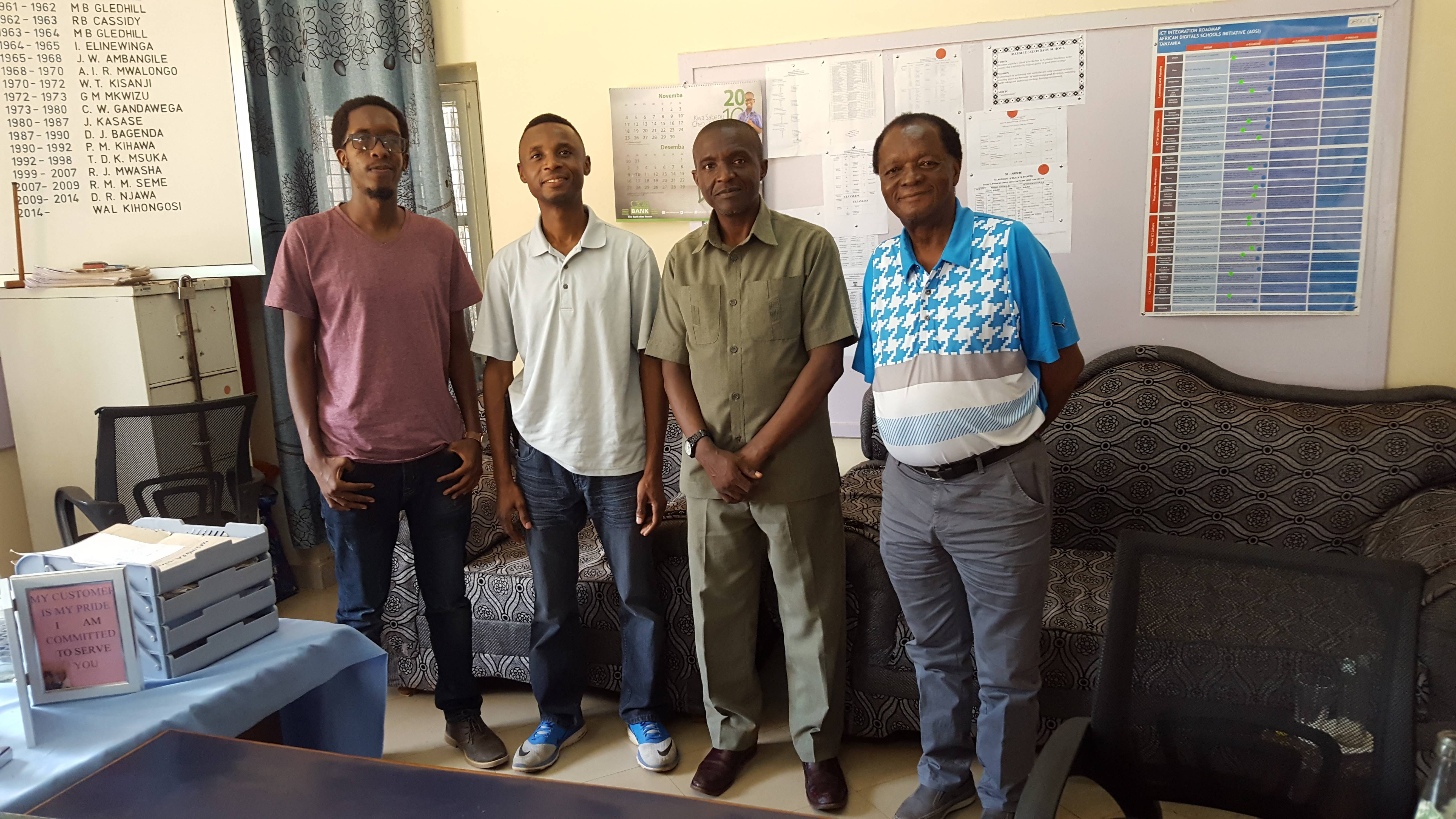
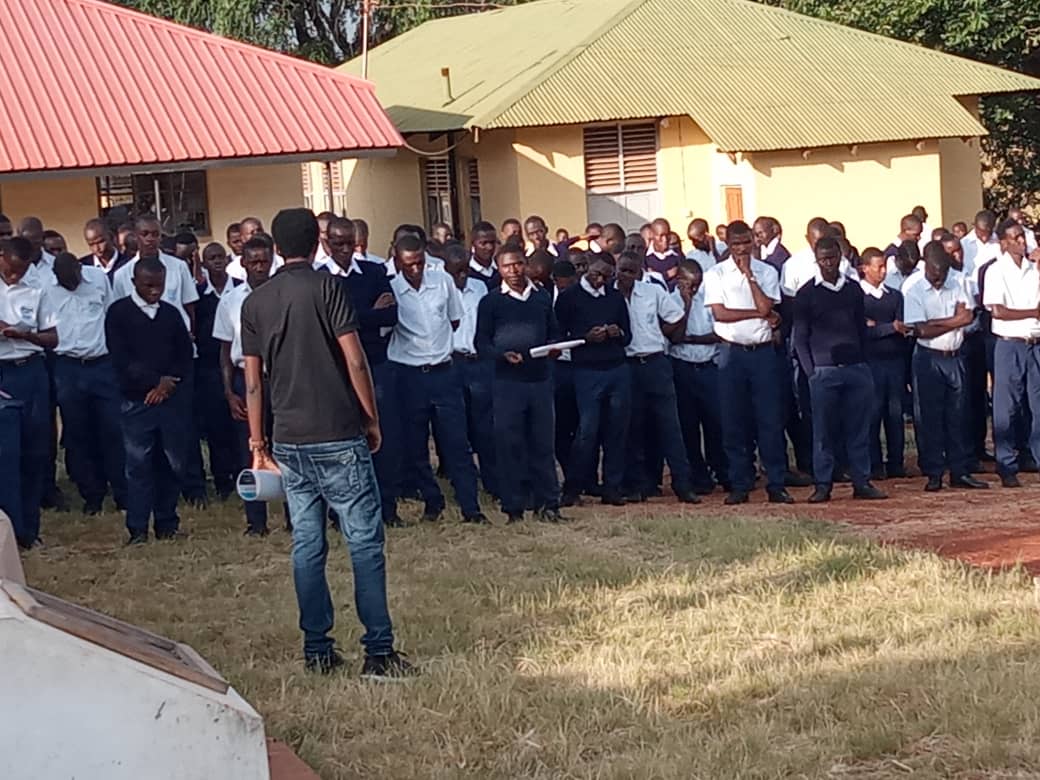
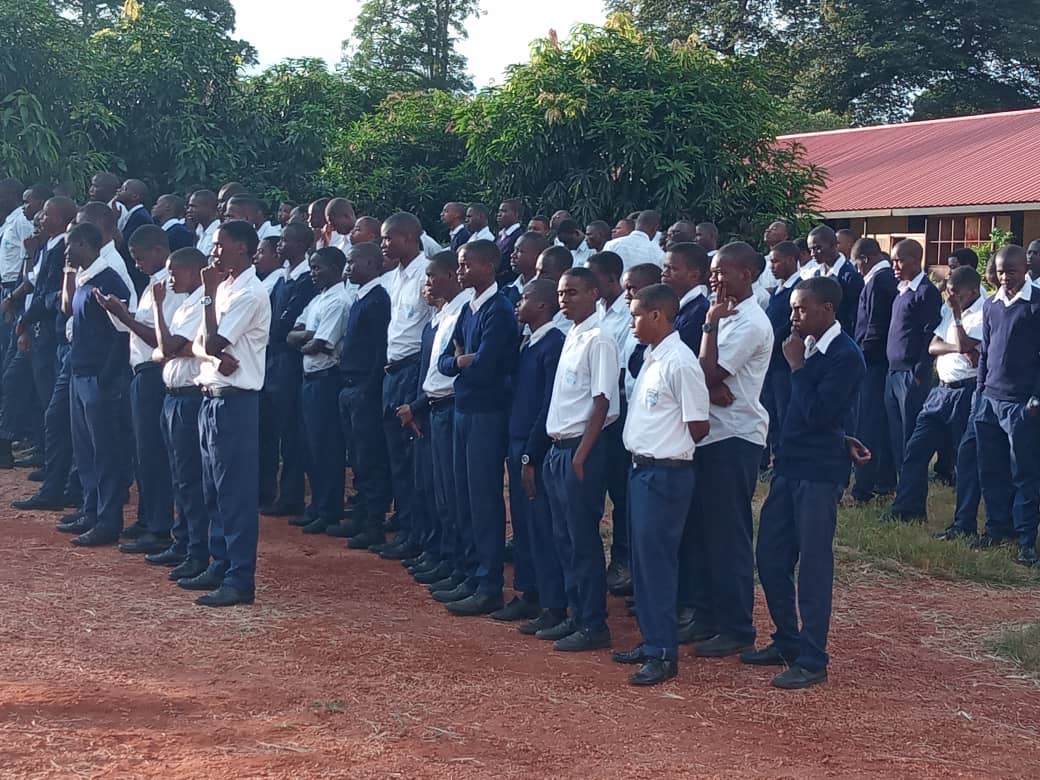
Students were challenged to be creative and use science, technology, or entrepreneurship to innovate and solve community problems.

| Activity | Dates |
| Introduction | January |
| Team formation, idea formation, ideas submission | January – March (7 weeks) |
| Idea screening | March – April (4 weeks) |
| Workshop on prototyping | August (Saturday) |
| Work on projects | August – September |
| Presentation / Demo | September |
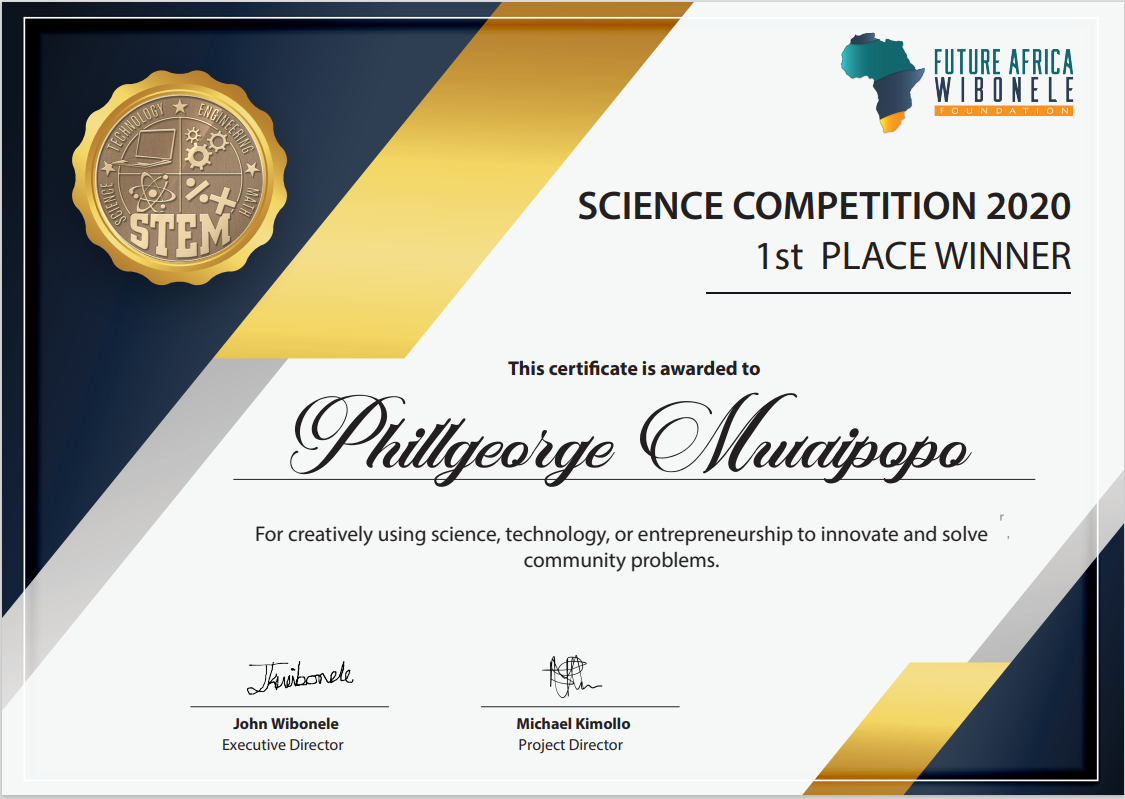
| Announce winners and give awards | October – During Graduation Ceremony |
2 December 2019: Discussing Science Competition with the School Principal
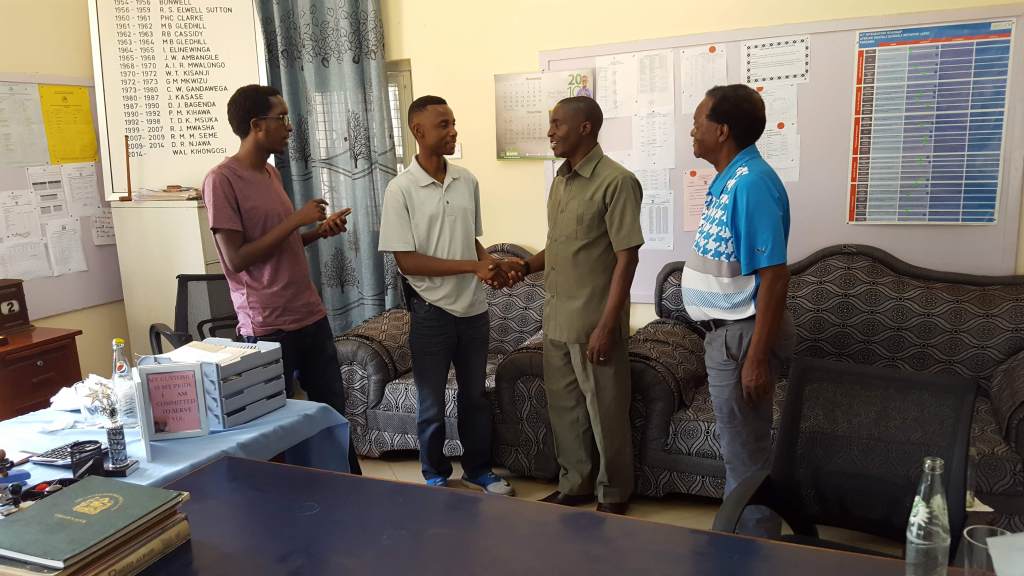
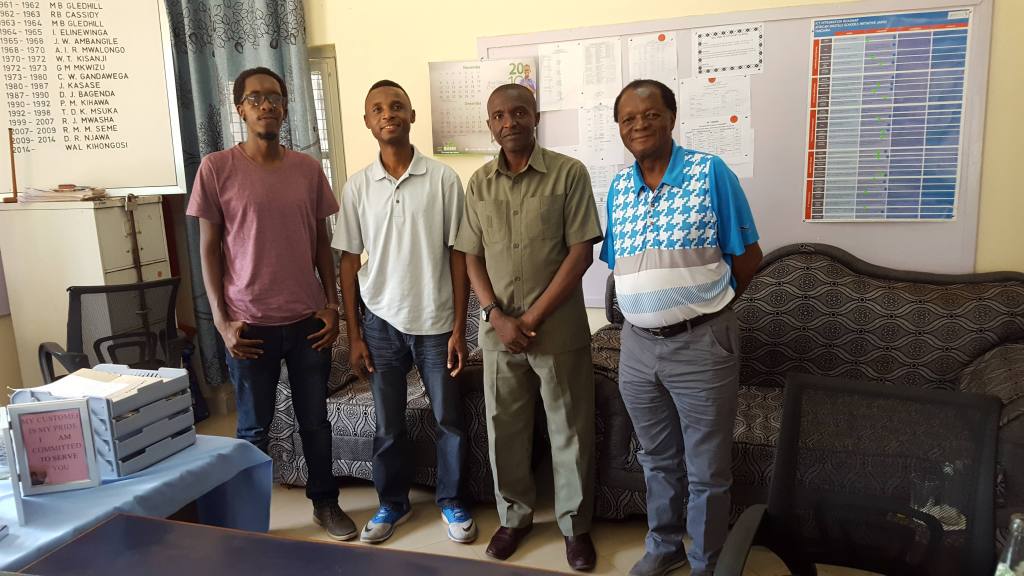
10 January 2020: Science Competition Introduction to Students
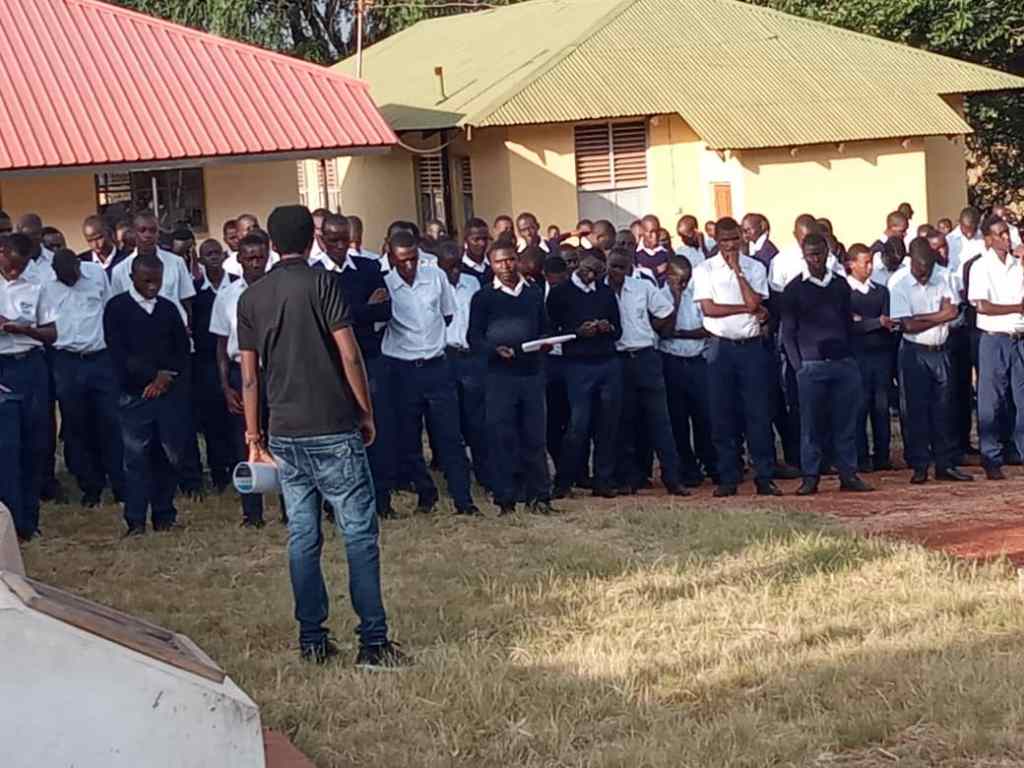
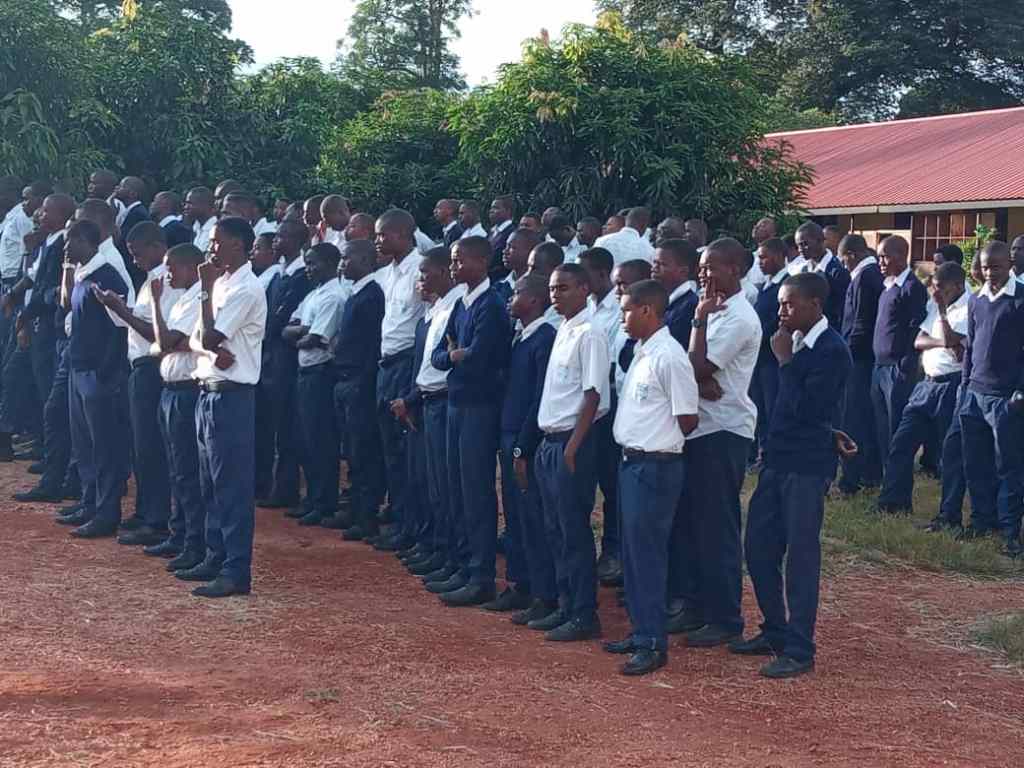
01 August 2020 (Saturday): Workshop on prototyping


25 September 2020: Presentations and Demos
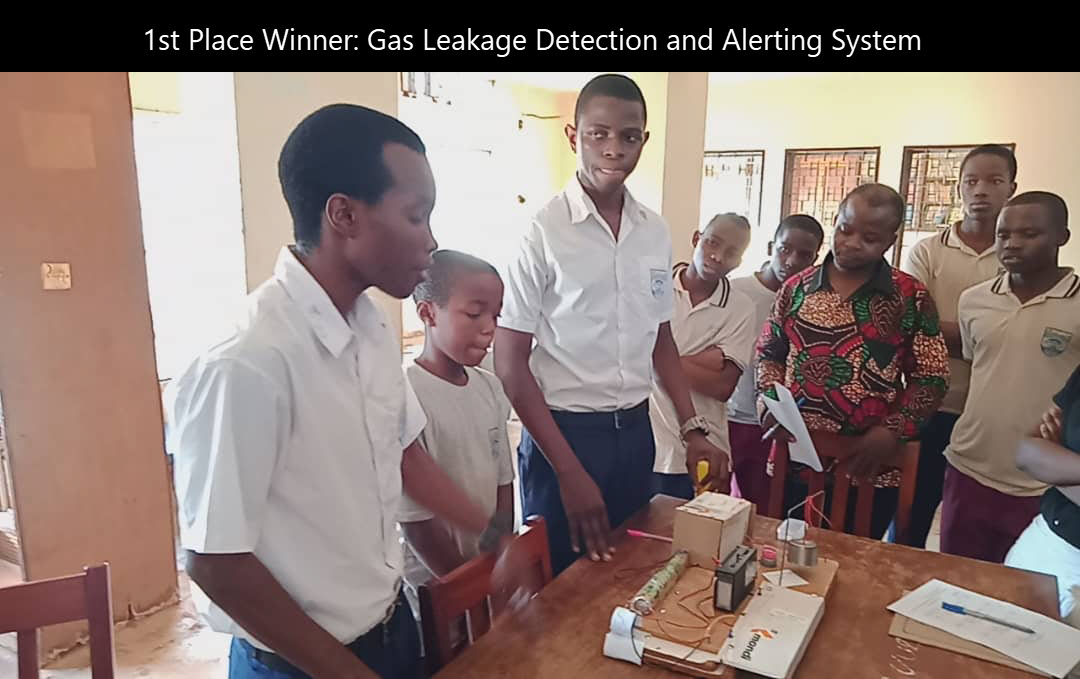
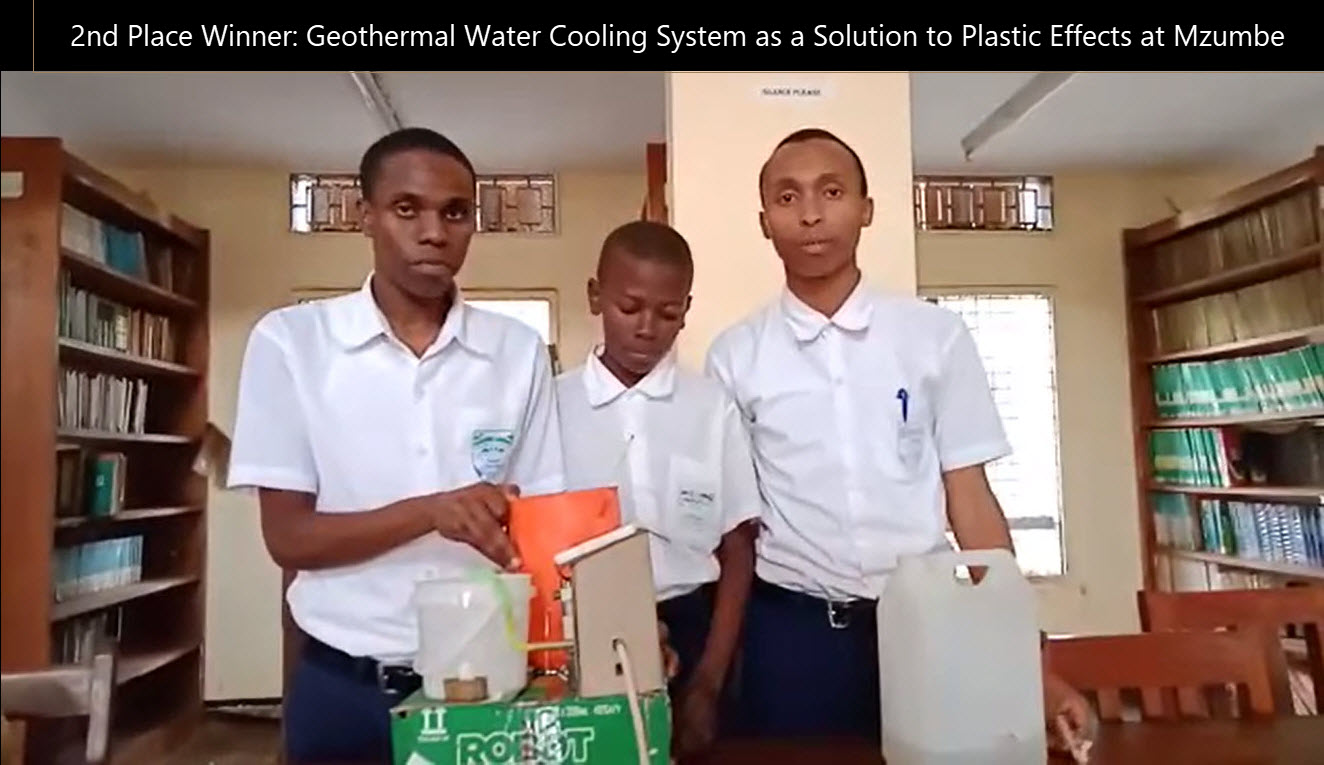
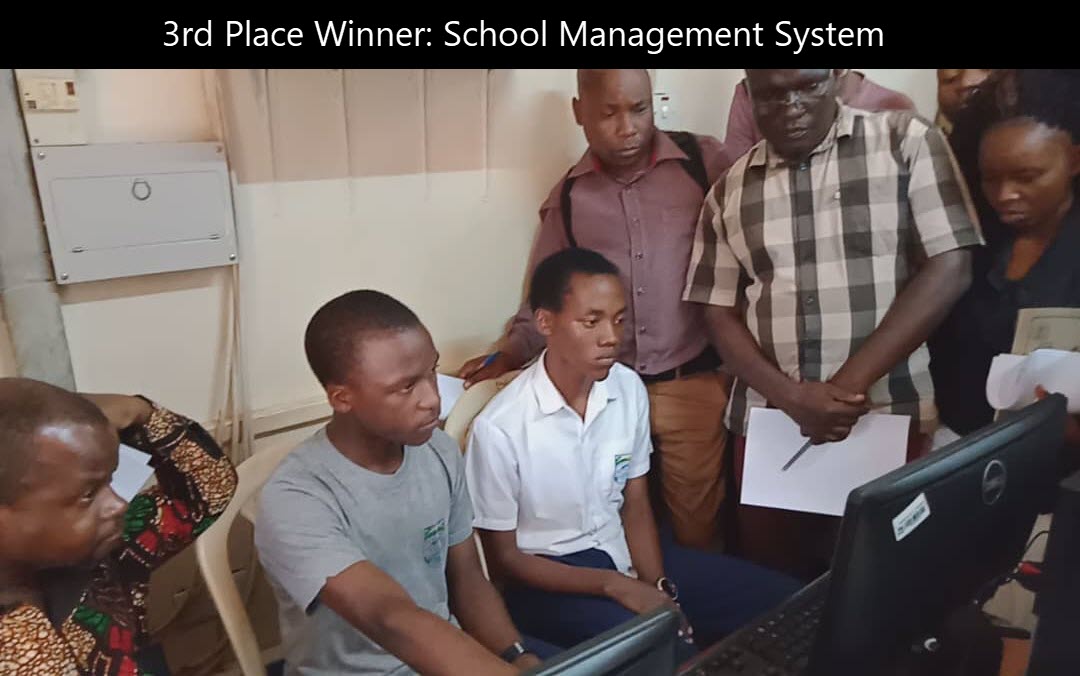
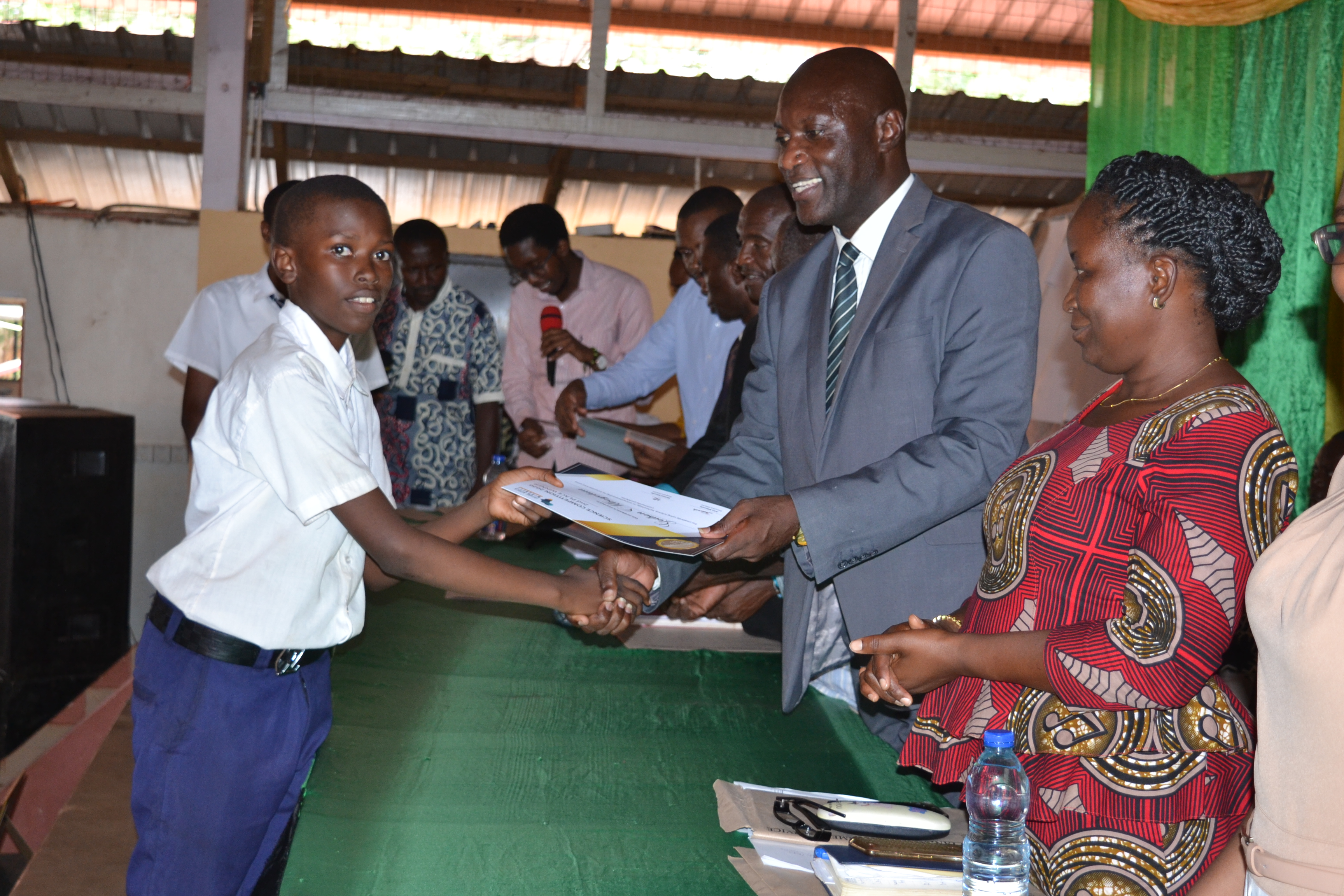
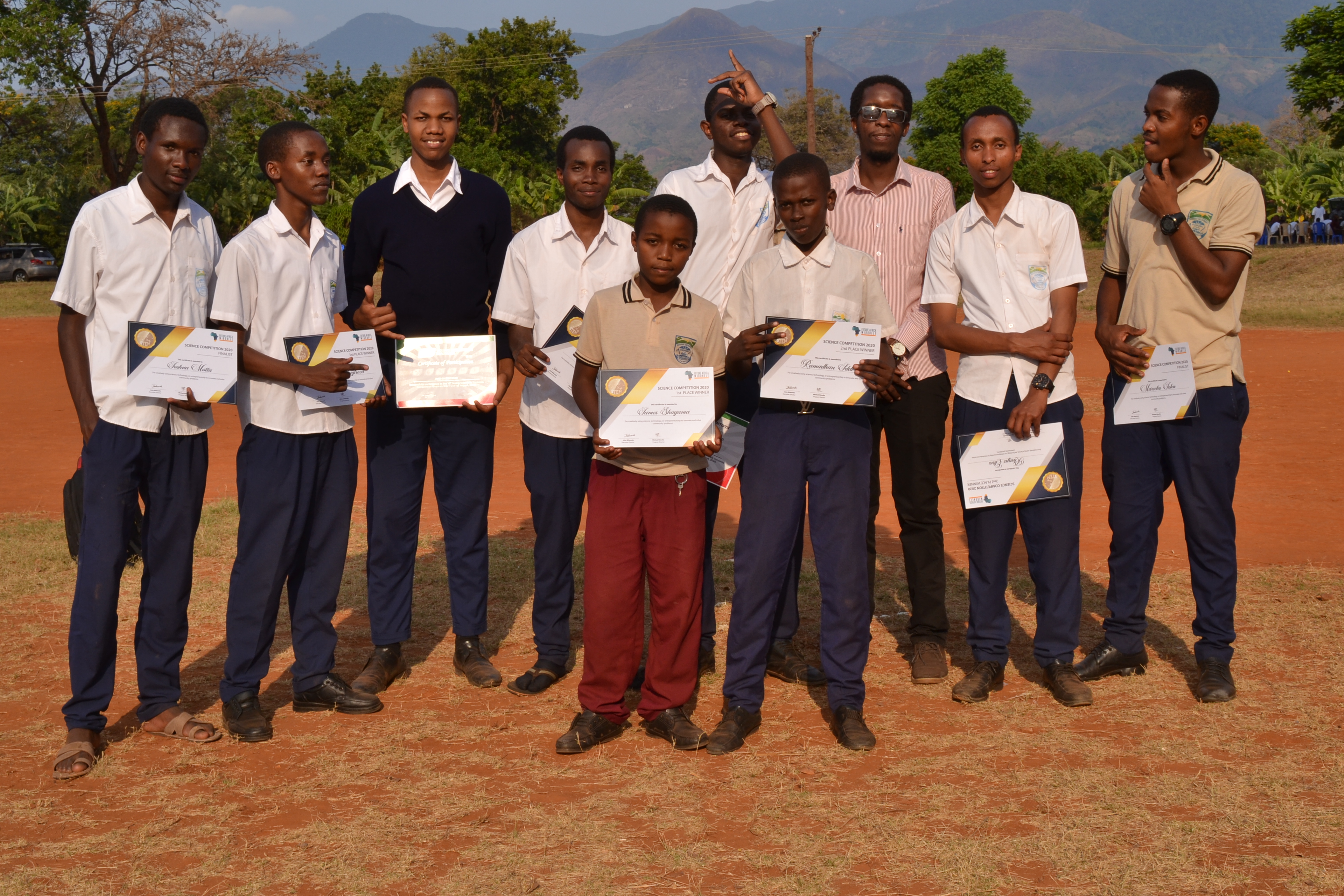
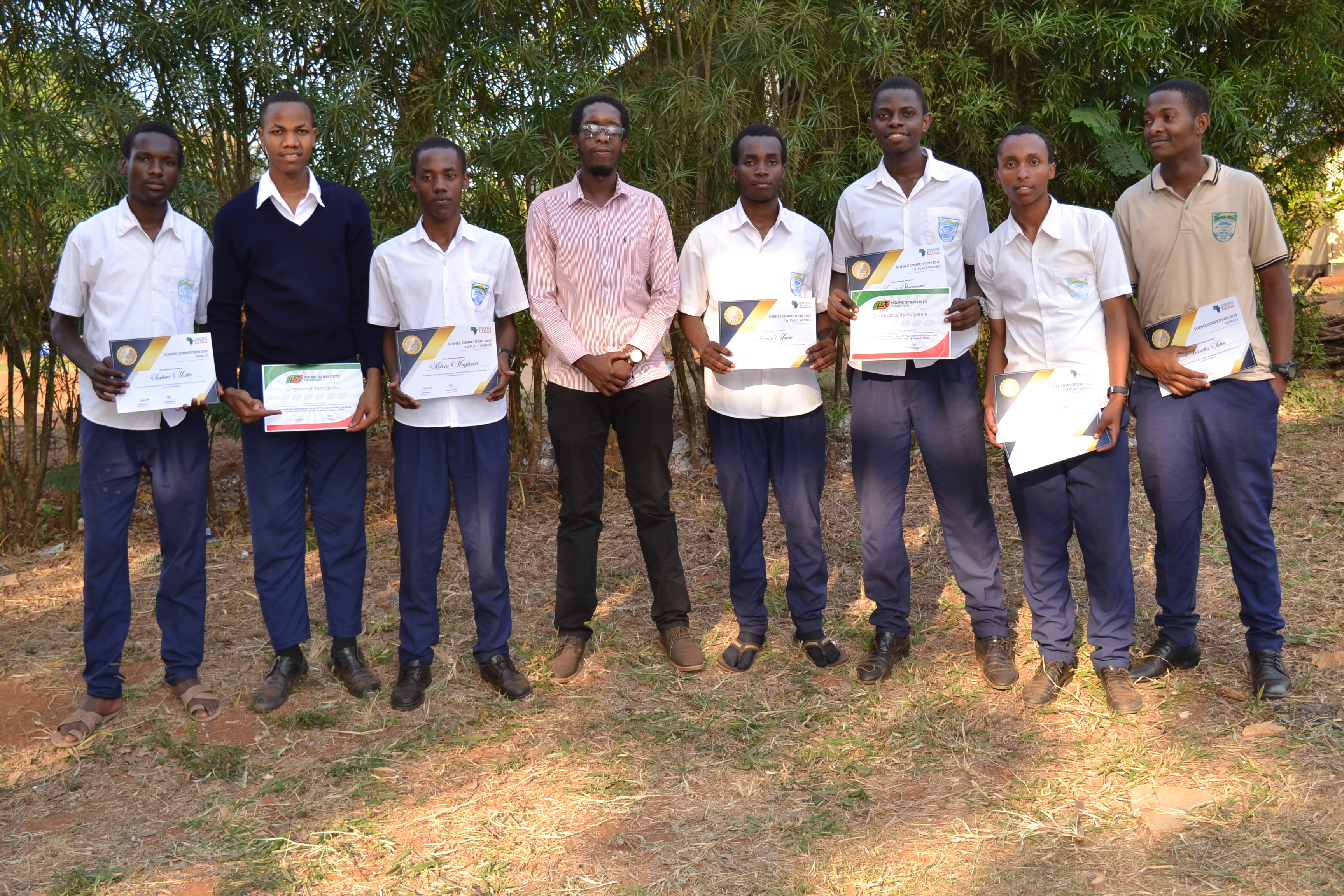
10 October 2020: Announcing Winners and Giving Awards During Graduation Ceremony

Goals
The Future Africa Wibonele Foundation – Science Competition aims to inspire young students at Mzumbe Secondary and High School to develop the necessary skills that would enable them to use their talents in the areas of science, technology, innovation, and entrepreneurship in solving community related problems. Through this competition, students will be able to develop the following skills:
- Problem identification and problem solving skills – Participants will work on real community problems and solve using the available resources.
- Team working skills – Participants will be working in teams to address the issues.
- Prototyping skills – Participants will be required to design and submit a prototype of their solution.
- Innovation – Participants will need to think creatively and come up with innovative solutions that will address local problems by using local resources.
Competition Structure
The competition is designed to be fun and competitive. Is conducted through a series of stages, with each stage aiming to get the best ideas out of the pool and finally selecting the winning teams. The following are different stages of the competition.
- TEAM FORMATION & IDEA SELECTION
- Students are required to form teams of at least 2 students and at most 5 students.
- Students who want to participate need to first form a team then come up with an idea and write a proposal document using the template that will be provided.
- Each team then submits their proposal for our review and we pick the top 10 ideas.
- IDEA SCREENING
- All ideas submitted (using templates provided) are to be screened by a team of judges to get the top 10 promising ideas.
- ACCELERATION
- The selected top 10 ideas are given a chance to build their projects to a prototype level.
- The prototype doesn’t have to be complicated
- E.g. For HARDWARE IDEAS – They can use physical material – wood, paper, sticks etc. – just to demonstrate how it will look/function.
- For Service ideas – They will need to write in detail the idea and its full operation and draw a flow diagram.
- For software ideas – They need to write up software requirements and create a design of all the screens and a flow chart.
- NOTE: The idea is to get them working and be creative with the resources they have to build ‘something’ – not necessarily real.
- JUDGEMENT
- All 10 teams will get a chance to demonstrate their prototype in front of the judges. This can be done by gathering all finalists in a class and let them explain their ideas and demonstrate their prototypes.
- The judging team will score each team based on the judging criteria to be provided.
- AWARDS
- The top 3 teams will be selected based on their scores and are awarded with a prize.
Prize
The prize money will be offered to the top 3 teams as follows:
- 1st Place Winner: 500,000 TZS
- 2nd Place Winner: 300,000 TZS
- 3rd Place Winner: 200,000 TZS
Proposed Timeline
Generally, the timeline will span across 7 or more months in order to encourage quality of ideas from participants and have minimum possible interference with school activities.
 Future Africa Wibonele Foundation